Thinking about buying in Santa Clara and torn between a townhome and a single-family home? You are not alone. Many buyers weigh upfront price against ongoing costs, lifestyle, and long-term value. In this guide, you will see how the total cost of ownership compares, from HOA dues and maintenance to taxes, utilities, and resale factors. You will also get a simple checklist to help you run the numbers on a specific property. Let’s dive in.
Santa Clara price patterns
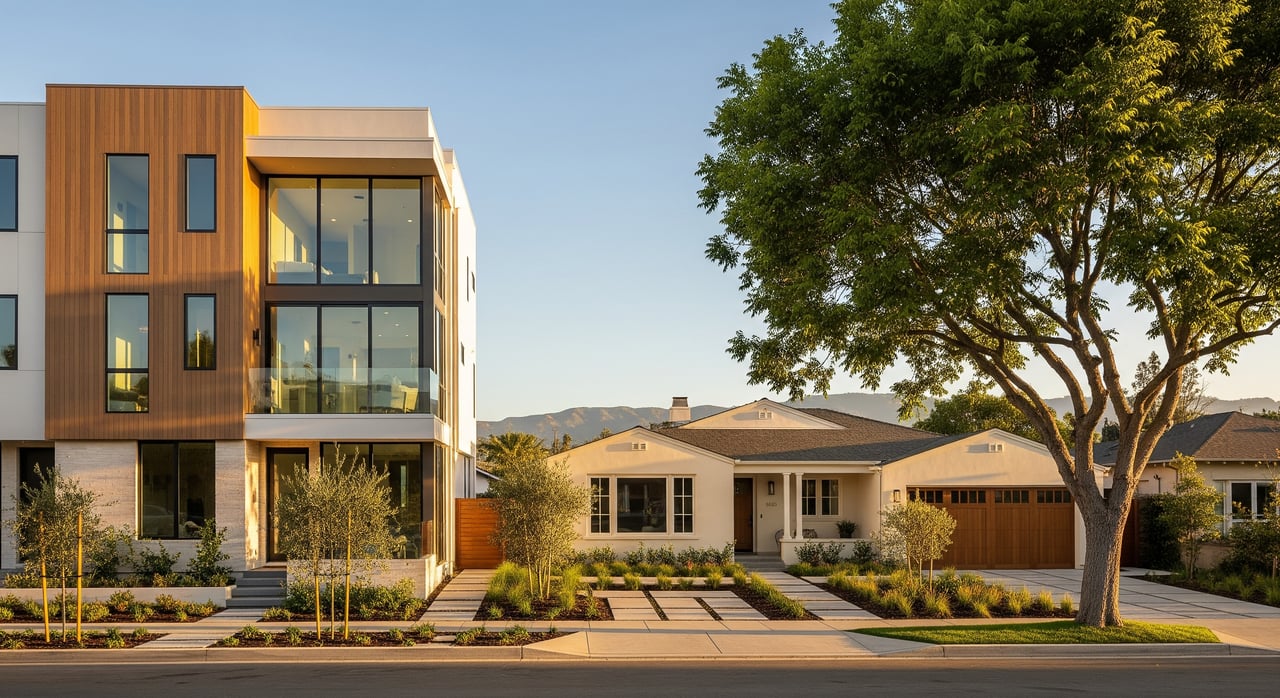
Santa Clara sits in the heart of Silicon Valley, where demand is strong and land is limited. That shapes both pricing and the type of housing you will find. Older neighborhoods tend to have detached single-family homes, while much of the newer supply adds higher-density townhomes and condos.
A common local pattern is that townhomes trade at a discount to nearby detached homes. Many Santa Clara buyers see townhome prices that are roughly 20 to 40 percent lower than comparable single-family homes in the same area. As an illustration, if a detached home lists around $1.8 million, a similar townhome might list in the $1.1 to $1.5 million range. Actual spreads vary by micro-location, age, amenities, parking, and lot size.
Why the difference? Land ownership, private yard space, parking, storage, and the cost of maintaining a standalone structure all play a part. Newer luxury townhomes with strong amenities can narrow the gap. Older attached units with limited parking or upcoming repairs may widen it.
Monthly cost factors
Your monthly payment is more than just principal and interest. In Santa Clara, recurring costs fall into a few big buckets that differ by property type.
HOA dues
- Townhomes typically include an owners association that manages exterior upkeep and shared areas. In Santa Clara, HOA dues commonly range from $250 to $600 per month for lower to mid-range townhomes, and $600 to $1,200 or more for newer or amenity-rich communities.
- HOA dues often cover exterior maintenance, roof and siding, common area landscaping, a master insurance policy for the structure, reserve funding, and sometimes water and trash. Pools, gyms, or security can add to dues.
- Many single-family homes have no HOA. If a detached home sits in a planned community, fees and coverage vary.
Key takeaway: HOA dues shift some costs from the owner’s to-do list into a shared budget. They reduce surprise exterior bills, but they are recurring and can rise.
Routine maintenance and repairs
- Single-family homes: You are responsible for all exterior and interior maintenance. A common planning heuristic is about 1 percent of the home’s value per year for routine upkeep in many markets. In a high-cost area like Santa Clara, older homes or higher labor costs can push that higher. For a $1.8 million home, planning for roughly $18,000 per year at 1 percent is a reasonable starting point. Big capital items like roof replacement or HVAC can cause a spike in a given year.
- Townhomes: You typically handle interior items, while the HOA covers many exterior components. Owners often spend a few hundred to a few thousand dollars annually on interior maintenance, but you should also account for the possibility of HOA special assessments if reserves are not sufficient.
Key takeaway: Townhomes can feel smoother month to month on maintenance, but HOA special assessments are a real risk. Single-family owners avoid HOA assessments, yet must budget for major exterior systems over time.
Homeowners insurance
- Single-family: Owners carry an HO-3 policy that covers the full structure and liability. In high-value areas, replacement cost can make premiums higher, and optional earthquake coverage is a separate expense.
- Townhome: Owners usually carry an HO-6 policy for interior finishes, personal property, and loss assessment coverage, while the HOA’s master policy covers the structure. HO-6 premiums are typically lower than an HO-3 for a similarly located detached home. The scope of the master policy matters. An “all-in” policy may cover some original interior finishes. A “bare walls” policy covers the building shell only and shifts more interior coverage to you.
Key takeaway: Insurance is often cheaper for townhomes on a like-for-like basis, but confirm master policy details and consider earthquake coverage for both property types.
Utilities
- Electricity: Most Santa Clara accounts receive power supply through Silicon Valley Clean Energy with PG&E delivery. Time-of-use rates and usage patterns drive costs. Smaller attached homes can use less electricity, though newer all-electric townhomes can be similar to detached homes.
- Gas: Detached homes with gas heating, cooking, or fireplaces can see higher gas bills, especially in larger homes.
- Water, sewer, trash: Single-family homes with yards often pay more for water due to irrigation. Some HOAs include water and trash in the dues, which lowers your direct utility bills but raises HOA fees.
Key takeaway: Single-family owners with yards often pay a few hundred dollars more per month on total utilities and irrigation than a similar attached unit without a yard, depending on landscaping and occupancy.
Outdoor upkeep
- Single-family: You are responsible for landscaping, trees, irrigation systems, fences, and driveways. A basic yard service may run $100 to $400+ per month, and large tree or hardscape projects are one-time expenses that can be significant. If you have a private pool or spa, you also cover maintenance.
- Townhome: HOAs usually handle exterior landscaping and common areas. You may be responsible for a small patio or balcony. If there is a shared pool, the HOA maintains it.
Key takeaway: Townhomes reduce outdoor upkeep costs and time. Single-family homes give you full control over your yard, which many buyers value.
Taxes, financing, and one-time costs
Property taxes under Prop 13
California’s Proposition 13 ties assessed value to the purchase price and caps annual increases at 2 percent until a reassessment event, such as a sale. In Santa Clara County, the effective property tax rate is commonly about 1.1 to 1.25 percent of assessed value, including local assessments. A higher purchase price on a single-family home means higher annual property tax dollars, but assessed value growth is limited until you sell.
HOA dues and loan qualifying
Lenders include HOA dues in your debt-to-income calculation. Higher monthly dues can reduce the loan amount you qualify for and may narrow the future buyer pool at resale, especially for buyers using certain loan products that require association approvals. Special assessments or HOA litigation can also complicate financing and closing.
Transfer taxes and closing costs
Expect city and county transfer taxes, recording fees, and standard closing costs at sale. The exact amounts depend on price and local schedules in Santa Clara.
Rental potential and ADUs
Single-family homes are more likely to allow an accessory dwelling unit or an expansion, subject to local rules and permits. That potential can support rental income and long-term value. Townhomes and condos often restrict rentals through HOA covenants and usually cannot add ADUs due to shared structures and site constraints.
Long-term value and resale
Appreciation drivers
In land-constrained markets, the land component of value tends to drive appreciation. Detached homes that include private land often see stronger long-term appreciation than attached units, all else equal. That said, demand for low-maintenance living and proximity to jobs and transit can support strong performance for well-located townhomes.
Liquidity and buyer pool
Single-family homes usually attract a broader buyer pool, including families and some investors. Townhomes draw steady interest from first-time buyers and commuters, and can be highly liquid in walkable or transit-adjacent areas. Financing standards tied to HOA health can limit certain buyers if the association does not meet lender requirements.
HOA-specific risks
Reserve shortfalls, special assessments, litigation, or large upcoming repairs can affect both the monthly cost and the resale price of a townhome. Reviewing the HOA’s financials and maintenance plans is essential.
Insurance environment
Changes in insurers’ costs and reinsurance markets can raise master policy premiums for HOAs. Those increases flow through to owners as higher dues.
Which one fits your goals?
Below are three simple profiles to help you frame the tradeoffs. Numbers are illustrative to show direction, not quotes.
Profile A: Cost-conscious first buyer — Townhome
- Purchase price: Often about 25 percent lower than a nearby detached home in the same area.
- Monthly HOA: Plan for $400 in this example, covering landscaping, exterior insurance, roof, and common areas. Actual dues can be lower or higher based on amenities and age.
- Maintenance: Lower and more predictable for exterior items via the HOA. Plan $1,000 to $3,000 per year for interior repairs and small projects.
- Insurance: HO-6 policy, typically lower than a full HO-3 for a detached home. Consider earthquake as an add-on.
- Utilities: Smaller interiors and no private yard can mean lower electricity and water use if the HOA does not include them.
- Net effect: Lower entry price and simpler upkeep help the monthly budget. Watch for HOA financial health and any pending special assessments.
Profile B: Family that wants a yard — Single-family
- Purchase price: Often 25 to 40 percent higher than a comparable townhome nearby.
- HOA: Often none. If in a planned community, verify fees and coverage.
- Maintenance: Budget 1 to 2 percent of value per year for routine items, plus reserves for roof, HVAC, exterior paint, and yard systems over time.
- Insurance: HO-3 policy covering the full structure. Earthquake is separate.
- Utilities: Expect higher water and energy use if you have larger square footage and landscaping. Yard care adds an ongoing cost.
- Net effect: More control, privacy, and yard space with potential ADU upside, balanced by higher taxes, utilities, and maintenance.
Profile C: Long-term appreciation bet — Often single-family
- Appreciation: Land scarcity supports detached home values over time. Well-located townhomes near jobs and transit can also perform well.
- Liquidity: Detached homes tend to serve a broad buyer base at resale. HOA approvals and dues can narrow some townhome buyer segments.
- Net effect: If long-term land value is your main thesis, single-family often leads. If convenience and location are primary, a strong townhome community can be a smart play.
Due diligence checklist
Use this quick list to evaluate any specific Santa Clara property before you write an offer.
- HOA documents: Budget, reserve study, last 12 to 24 months of board minutes, master insurance summary, rental rules, and any pending special assessments.
- Financing: Ask your loan officer how HOA dues will affect qualifying and whether the association meets requirements for your loan type.
- Property taxes: Confirm the parcel’s effective tax rate and any local assessments with the county.
- Utilities: Get estimates for electricity, gas, water, sewer, and trash. Confirm what, if anything, the HOA includes in dues.
- Comparable sales: Pull recent sales for the same product type in the same micro-neighborhood to measure the actual price spread.
- Inspection focus: Roof, HVAC, foundation, exterior systems, and replacement timelines. For townhomes, confirm who pays for each component.
Putting it together in Santa Clara
Both townhomes and single-family homes are expensive by national standards in Santa Clara. A townhome often gives you a lower upfront price, simplified exterior upkeep, and potentially lower insurance, balanced by monthly HOA dues and the need to vet the association’s financial health. A detached home usually carries a higher purchase price and higher direct maintenance and utility costs, but it offers yard space, control over improvements, ADU potential, and often stronger long-term land-driven appreciation.
The right choice depends on how you live, your budget comfort, and your time horizon. Run a full monthly comparison that includes mortgage, property taxes, insurance, HOA dues if any, a maintenance reserve, and realistic utilities. Then weigh the lifestyle factors that matter most to you.
Ready to compare real numbers on homes you are considering in Santa Clara? Reach out to Kiki Zhou for a friendly, data-informed consultation. We will help you break down total cost of ownership, review HOA documents, and craft a plan that fits your goals.
FAQs
Which is cheaper monthly for Santa Clara buyers?
- Townhomes often have lower mortgage payments due to a lower purchase price, but they add HOA dues; compare mortgage, taxes, insurance, and HOA for a townhome against mortgage, taxes, insurance, and a maintenance reserve for a single-family home.
Are HOA dues wasted money for townhomes?
- No; dues fund exterior maintenance, amenities, and reserves, which reduce surprise repairs, but they are recurring and can increase, so review the HOA’s financials.
Is insurance usually cheaper for a townhome than a house?
- Typically yes; HO-6 policies for townhomes are often lower because the HOA’s master policy covers the structure, while single-family owners insure the full building.
Do townhomes appreciate less than single-family homes?
- Often they do over the long run because detached homes include land, but well-located townhomes near jobs and transit can appreciate strongly too.
What about adding an ADU for rental income?
- Single-family homes are more likely to allow ADUs or expansions subject to permits, while townhomes and condos usually have HOA and physical limits that prevent ADUs.